Bicycle photos: which views and details to keep
All covered countries
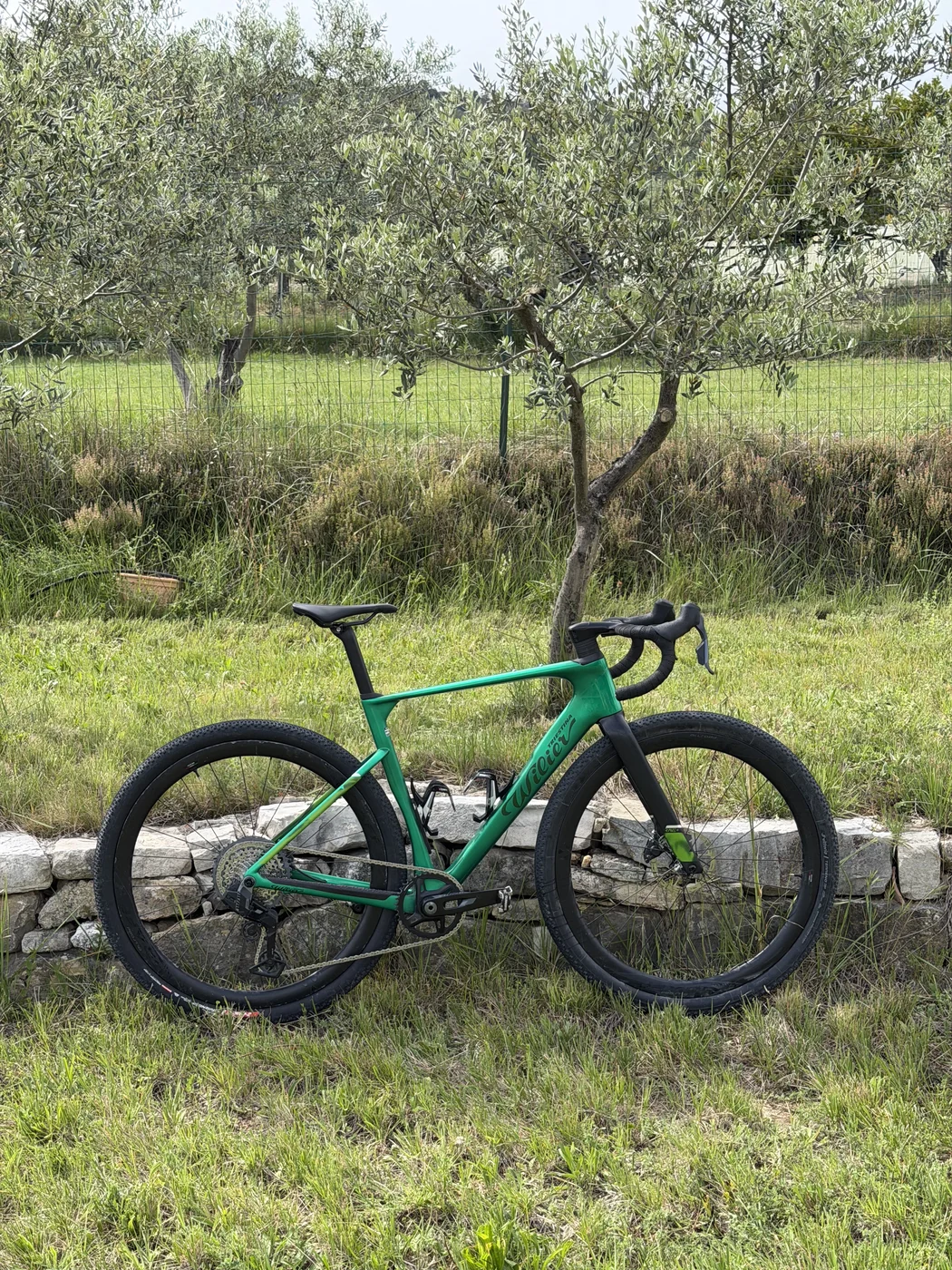
Keep a complete view of your bike, followed by close-ups of its numbers and distinctive details. You will have useful images for describing it, comparing a listing or adding to an evidence file.
Which photographs should you take?
Put the bike in daylight and check that each image is sharp before moving on.
- Photograph the complete bike from the drivetrain side, without cutting off the wheels. The drivetrain includes the chain and crankset.
- Take the same photograph from the other side.
- Photograph the frame number, then take a wider view to show its location.
- Do the same for an identification marking number, if your bike has one.
- Take a close-up of each recognisable scratch, repair or sticker.
- Photograph replacement parts and accessories. For an electric bike, also keep the accessible battery and motor references.
Keep the originals. Make a copy before adding an arrow or note: editing must not create a number that was unreadable.
What an overall view shows
The cover photograph shows the complete green Wilier from the drivetrain side. You can distinguish the frame shape, handlebars, wheels, crankset and bottle cages. This view records its equipment.
Documenting a small scratch or reading the frame number would require additional close-ups. A colour and model help compare bikes; details unique to yours let you go further.
How should you organise the images?
Give files names you can find again, such as “bike-drivetrain-side”, “frame-number” or “seatstay-repair”. A seatstay is one of the tubes connecting the rear of the frame to the saddle area.
Add a short note for changes: “Saddle replaced in April, invoice in service folder.” Keep everything with your purchase documents, then check that you can open it from another device.
German police recommend including a photograph in a bike identification record. Documents vary by country; these photographs remain useful for describing the bike.
If your bike has already been stolen
Look through backups, messages, old purchase listings and photographs from rides. The bike may be in the background. Examine the image at its original size and note what is readable.
No perfect photograph? Start with the images available. The guide to missing invoices and serial numbers suggests other records to gather.
What if a listing appears?
Save the listing link and images in a folder separate from your photographs. Note similarities and differences so you can explain them to the police. The theft checklist brings together the other documents to prepare.
Keep your photographs and bicycle details together in a free private record.
Create a free bike record