How to lock a bike: frame, wheels and secure stands
All covered countries
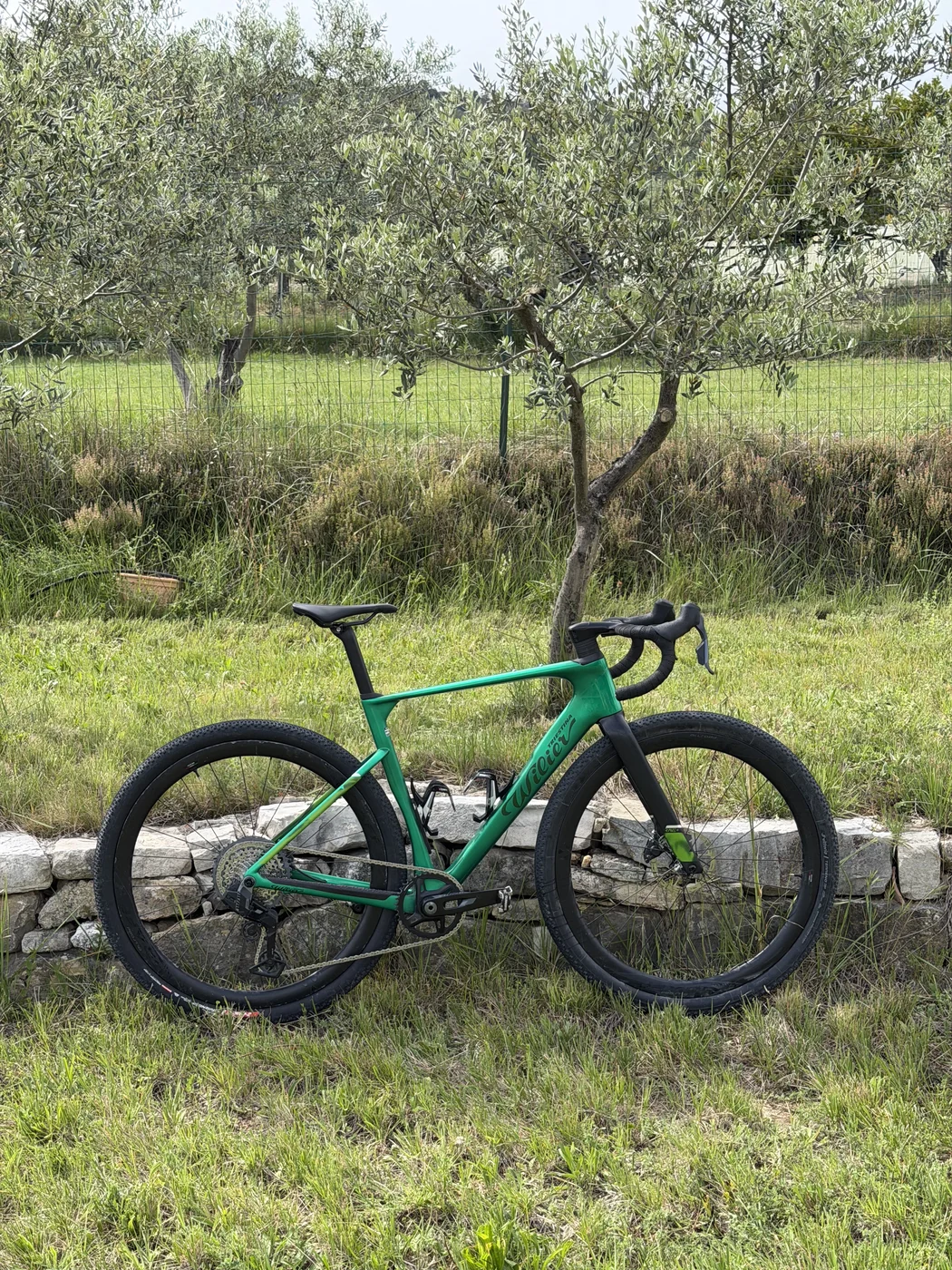
Illustrative photograph.
Put the lock through the frame and around a solid fixed stand. Then check the wheels and any accessories you are leaving on the bike.
Which lock should you choose?
Start with where you usually park: the lock needs to fit around both the frame and the stand. Before buying, check its dimensions, weight and how you will carry it.
Look up the exact model in the French cycling federation’s FUB lock tests. Its “2 roues” rating describes a test result, not the number of wheels the lock protects. The testing commission explains its method, in French. A manufacturer’s rating on the packaging is a separate measure.
If your bike is insured, check which locks and locking arrangements your policy requires. Keep the receipt and exact model reference.
How should you secure the frame and wheels?
The FUB recommends locking the frame and, where possible, the front wheel to a fixed object. Before walking away:
- Check that the stand is firmly fixed and the bike cannot be lifted over it.
- Put the lock through a closed part of the frame and around the stand.
- Secure the wheels, particularly quick-release wheels, with another lock or suitable security fittings.
- Close the lock, remove the key and gently pull the bike to check the attachment.
Example: a D-lock joining only the front wheel to the stand leaves the frame removable once the wheel is detached. Reposition it to include the frame.
London’s Metropolitan Police recommends two quality locks, including a D-lock, preferably of different types. Choose a combination that fits your frame and the available stand.
What about a cellar or shared bike room?
Keep locking the bike even inside a locked space. A lock that only stops a wheel turning does not attach the bike to the building. Look for a solid anchor point; ask the building manager about suitable equipment if none is available.
Remove accessories that are easy to carry away. For an electric bike, follow the manufacturer’s instructions before removing the battery or display. Check your policy conditions if you are relying on insurance.
Which records should you keep?
Save photos of the bike and its details, the frame number and purchase records. If the bike has a registered marking, check that the operator has your current contact details.
Considering location tracking? The guide to GPS trackers and AirTags for bikes explains the differences and what to check.